Hampton Plantation
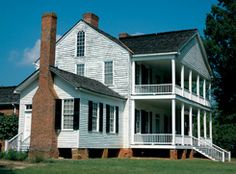
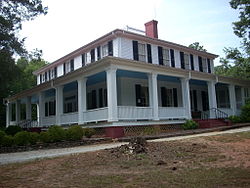
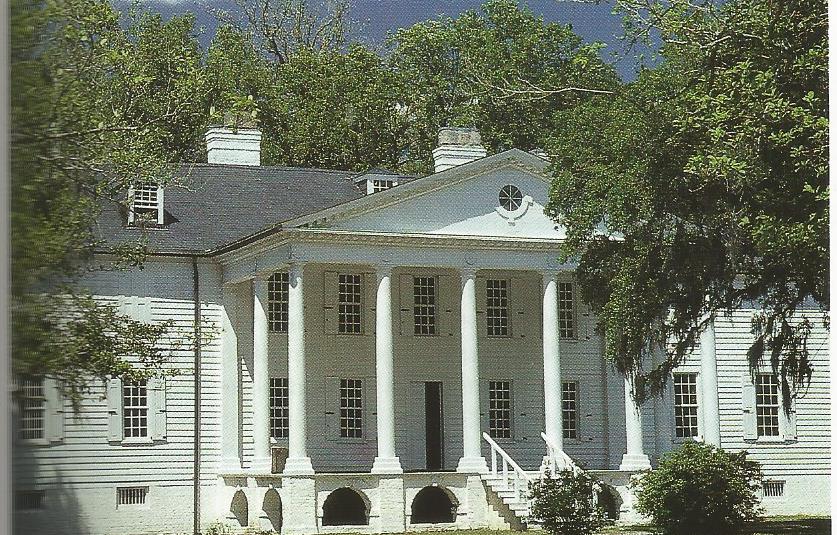 The Hampton Plantation is situated beside the lower Santee River, south of Georgetown, South Carolina. The actual construction of the house was probably begun about 1735 for Noah Serre, an early pioneer to the area. In those days, the center portion of the house was built first, with wings added later on. In this instance it was Daniel Huger Horry, the son-in-law of Serre, who enlarged the six-room structure. He has a two-story ballroom on one end and large bedrooms and sitting rooms on the other end. After a visit of George Washington, the six-column portico and impediment was added. Open to the public, it is located 8 miles north of McClellanville, off routes 17 and 857. . . . more . . .
South Carolina Wills and Estates
| SPECIAL GENEALOGY OPPORTUNITY NOW for yourself and friends!
$7 (auto expires after 1-month) Try it out now to see if you can find your ancestors |

|




 The county was formed in 1785 as part of Ninety Six District and Camden County; parts of Edgefield later went to form Aiken (1871), Saluda (1895), Greenwood (1897), and McCormick. The town of Winnsboro, which was settled around 1755, is the county seat. It was settled both by Scotch-Irish immigrants from northern colonies, and by English and French Huguenot cotton planters from the low country. In the colonial period this area was a center for the Regulator movement, which sought to bring law and order to the backcountry. During the Revolutionary War, Lord Cornwallis made his headquarters in Winnsboro from October 1780 to January 1781.